
THE CONVERSATION
The old rules no longer apply.
Challenging long-held industry assumptions.
The games industry is not simply going through another cycle. Some of the assumptions on which businesses, careers and strategies were built are being challenged at the same time.
Studios are closing and teams are shrinking while the cost and risk of traditional development remain difficult to sustain. Capital is more selective. Consolidation continues. Platforms are redefining their role. New centres of investment and influence are emerging.
At the same time, games are reaching more people, in more places and in more forms than ever before.
The tension is difficult to ignore: an industry with enormous cultural relevance and audience is still struggling to turn that reach into sustainable value for many of the people creating it.
What happens when everything becomes possible?
AI is accelerating a transformation that goes far beyond productivity.
The cost of creating content may fall dramatically. Smaller teams may acquire capabilities once reserved for large organisations. Games themselves may become dynamic, generated and increasingly personalised.
But if making becomes easier, what becomes scarce? Talent? Originality? IP? Trust? Distribution? Attention?
And as technology changes what companies need from people, we need to confront a harder question: which organisations, skills and leadership roles will still create meaningful value in the industry that emerges?
Where will value and power move next?
The structures connecting creators and audiences are changing.
Games compete for attention with social platforms, creators and entertainment ecosystems that increasingly blur the boundaries between playing, watching, creating and participating. Distribution is abundant, but discovery is brutal. Communities can create enormous value while the economics of capturing it remain uneven.
Capital and influence are moving too, across companies, platforms and regions. Regulation, safety and responsibility are becoming strategic questions rather than peripheral concerns. The next winners may not look like the last ones.
The next winners may not look like the last ones.
CRITICAL INQUIRY
The questions we should not avoid.
What happens if the economics of making games no longer support the structures we have built?
If AI makes production radically more accessible, where does sustainable competitive advantage come from?
Who owns the relationship with the player when platforms, creators and communities increasingly mediate discovery?
Where will the next generation of companies, capital and talent come from?
And, perhaps most importantly:
If value is moving, where should we move with it?

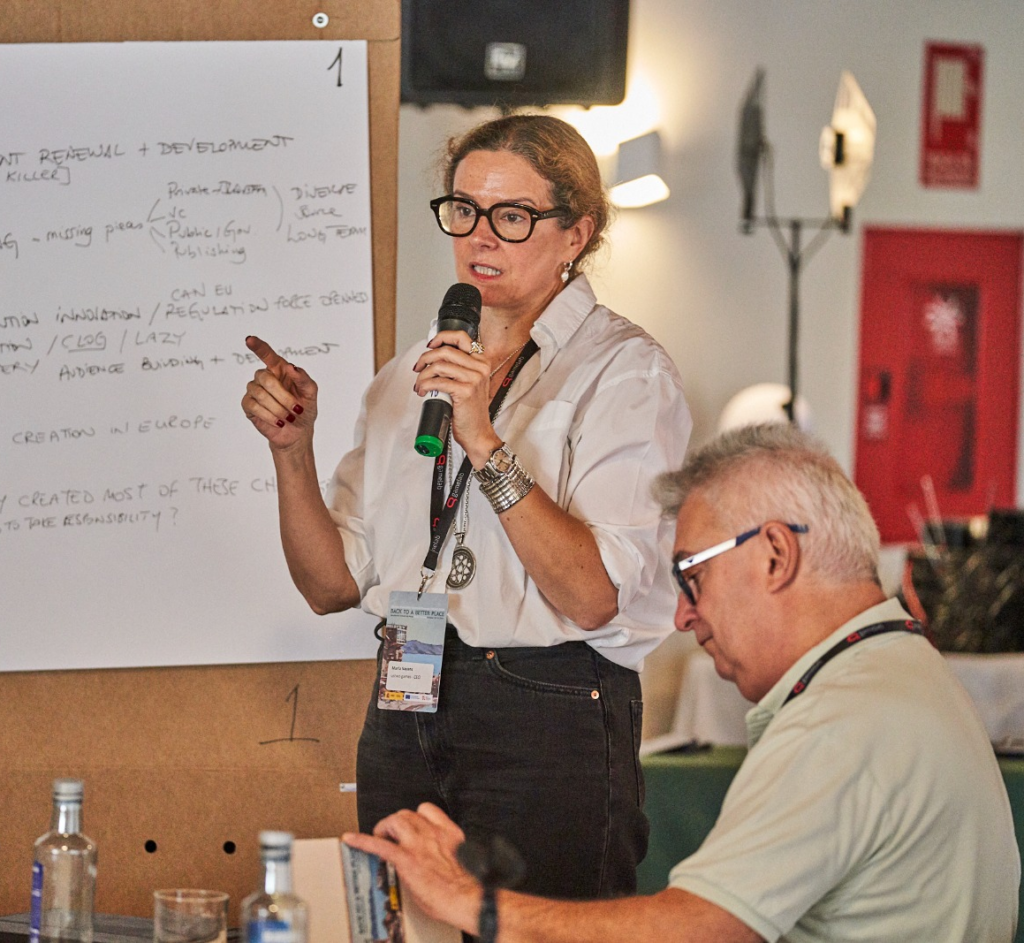
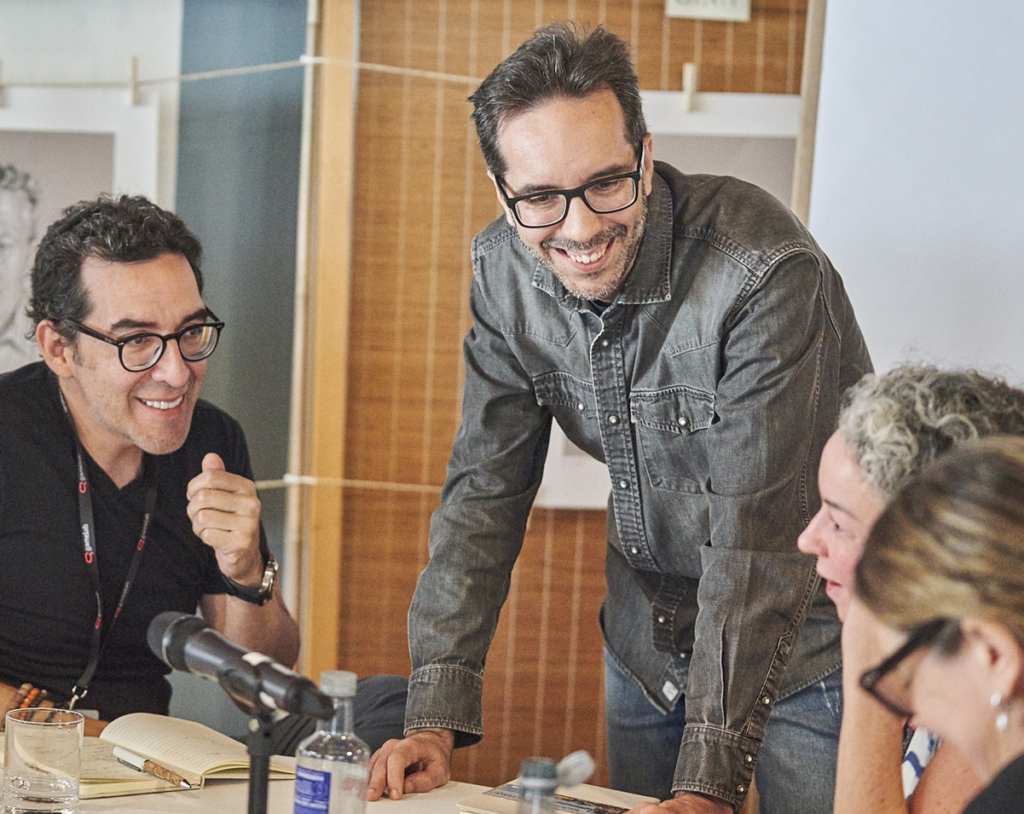
A private leadership forum where senior leaders come together to understand change, navigate uncertainty and create opportunities for what comes next.
Contact us:
info@gamesexecutivesummit.com
Collaborating Partners

© 2026 Games Executive Summit Europe. All rights reserved.
Privacy PolicyTerms & Conditions